
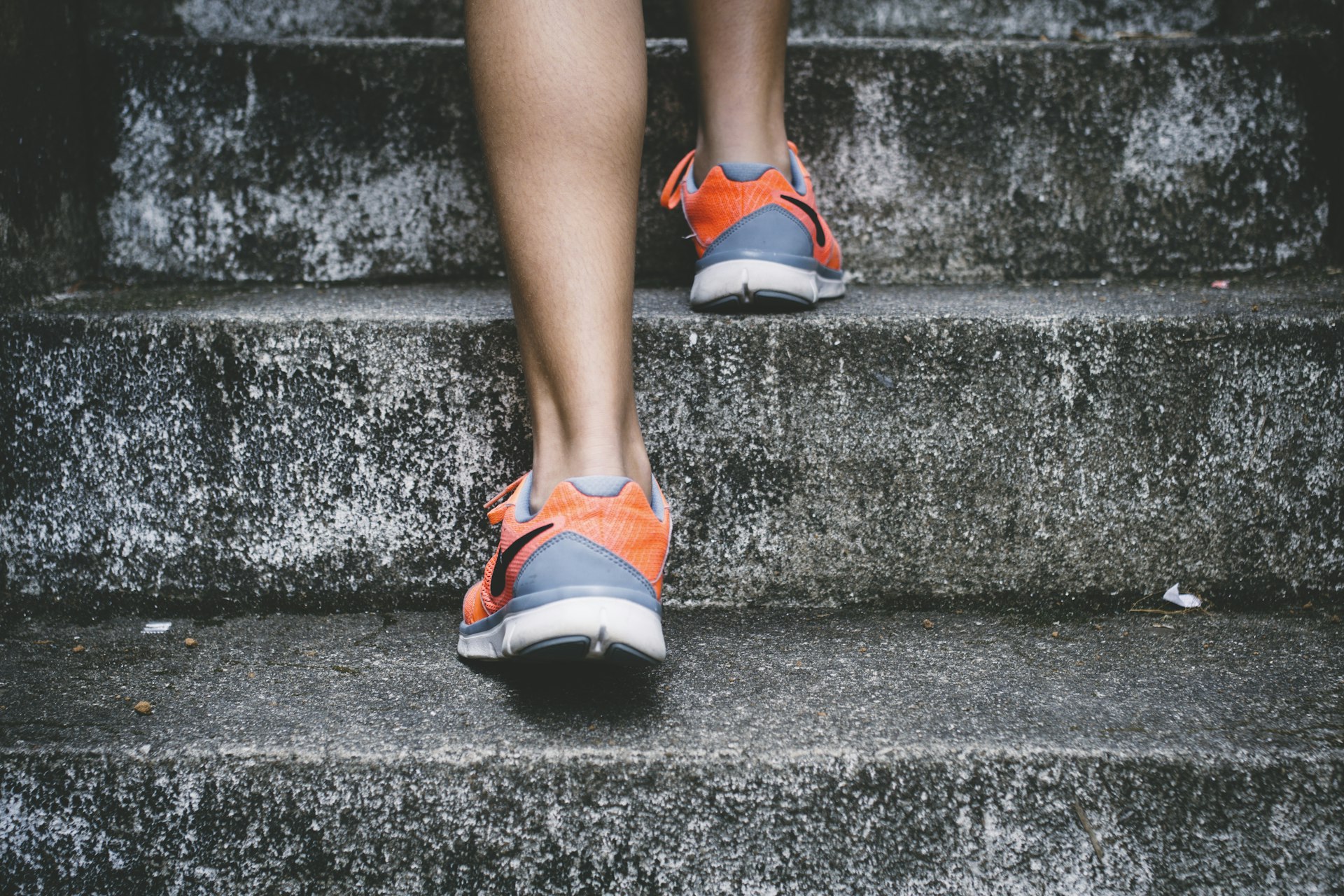
You do not need a new wearable, a boutique glucose gadget, or a 90-minute gym class to help blunt the blood-sugar spike after a big meal. For many adults over 55, a short walk after eating is one of the highest-leverage habits available — and it costs nothing.
Research on post-meal walking keeps pointing the same direction: light activity after eating is associated with better postprandial glucose patterns than sitting it out. That is an association and a practical tool, not a cure for diabetes and not personalized medical advice. Used sensibly, it is still one of the simplest upgrades you can make to an ordinary day.
The bar is low on purpose. Ten to fifteen minutes. Comfortable shoes. Out the door after your largest meal. Consistency beats intensity theater.
What the research actually supports
A randomized crossover study in adults with type 2 diabetes compared advice to walk 30 minutes once a day with advice to walk about 10 minutes after each main meal. Walking after meals produced lower post-meal glucose responses, with a particularly noticeable benefit after the evening meal — often the highest-carbohydrate sitting-down stretch of the day.
Work published in Diabetes Care tested older adults at risk for impaired glucose tolerance. Three 15-minute moderate walks after meals improved 24-hour glycemic control, and post-meal walking did a better job on three-hour post-meal glucose than a single longer walk timed differently.
More recent reviews continue to find that postprandial activity can reduce post-meal glucose levels and glucose area-under-the-curve in middle-aged and older adults with type 2 diabetes. Exact results vary by study design, timing, and intensity. The pattern is sturdy enough to justify the habit for many people: move after you eat instead of collapsing into the couch.
None of that means a stroll replaces medication your clinician prescribed. It means muscles at work help clear glucose from the bloodstream after a meal — a mechanism you can use on an ordinary Tuesday.
How to make the after-dinner walk stick
Attach the walk to the meal you care about most. For a lot of households that is dinner. Set a simple rule: dishes or leftovers first, then shoes, then ten minutes around the block or up and down the hallway if weather is ugly.
Keep the pace conversational. You are not training for a race. You are interrupting the sit-and-spike pattern. If you have been sedentary, start with five minutes and add time as it feels easy.
Timing guidance from studies often lands in the window soon after eating through about 30 to 90 minutes post-meal. Practically, “soon after you finish” beats perfect optimization. Waiting three hours while you scroll on the sofa is not the protocol.
Safety is not optional. Use lighting after dark, wear stable shoes, and choose familiar routes. If you use insulin or medicines that can cause low blood sugar, have heart disease, neuropathy, foot ulcers, dizziness, or fall risk, talk with your clinician before you change activity patterns. That is not legalese — it is how you avoid turning a good habit into an ER story.
Pair the walk with meal basics (without obsessing)
Walking helps most when the meal itself is not a sugar bomb every night. Build plates around protein, vegetables, and fiber-rich carbs more often than around dessert-first patterns. You do not need a gram spreadsheet to notice that a heavy refined-carb dinner hits differently than a balanced one.
Hydrate across the day. Extreme dehydration and “I’ll just have another soda with dinner” both work against you. Keep it boring and steady.
If you monitor glucose at home under clinician guidance, you can see how your own numbers respond to a 10-minute walk versus staying seated. Personal data beats internet anecdotes. If you do not monitor, use how you feel and how consistently you can repeat the habit as your scoreboard.
Why this beats the all-or-nothing fitness story
Plenty of people over 55 abandon exercise plans because the plan was theatrical: hour-long classes, punishing intensity, or gear they resent. Post-meal walking sidesteps that trap. It is short, repeatable, and tied to something you already do three times a day.
It also travels well. Hotel hallway. Grocery store loop after lunch. Parking lot lap after a restaurant meal. You do not need a perfect trail.
Strength training and balance work still matter for healthy aging — falls and muscle loss are real issues. The after-meal walk does not replace those. It fills the daily gap between “I should exercise” and “I did something useful today.”
A one-week experiment worth running
For the next seven days, walk 10 minutes after your largest meal. Same shoes, same rough route, no hero pace. Note energy, sleep, and whether evening snacking changes. If you feel unwell, stop and check with a clinician.
At the end of the week, decide whether the habit earned a permanent slot. Most people who give it a fair trial keep at least the after-dinner version because the friction is low and the logic is obvious: you just ate; now use the fuel.
You cannot out-walk a reckless diet, and you cannot treat a headline as a prescription. You can, however, stop treating the couch as the default final course. Ten minutes after dinner is a small demand with an outsized daily return — start tonight, not on some imaginary Monday when life gets quieter.
