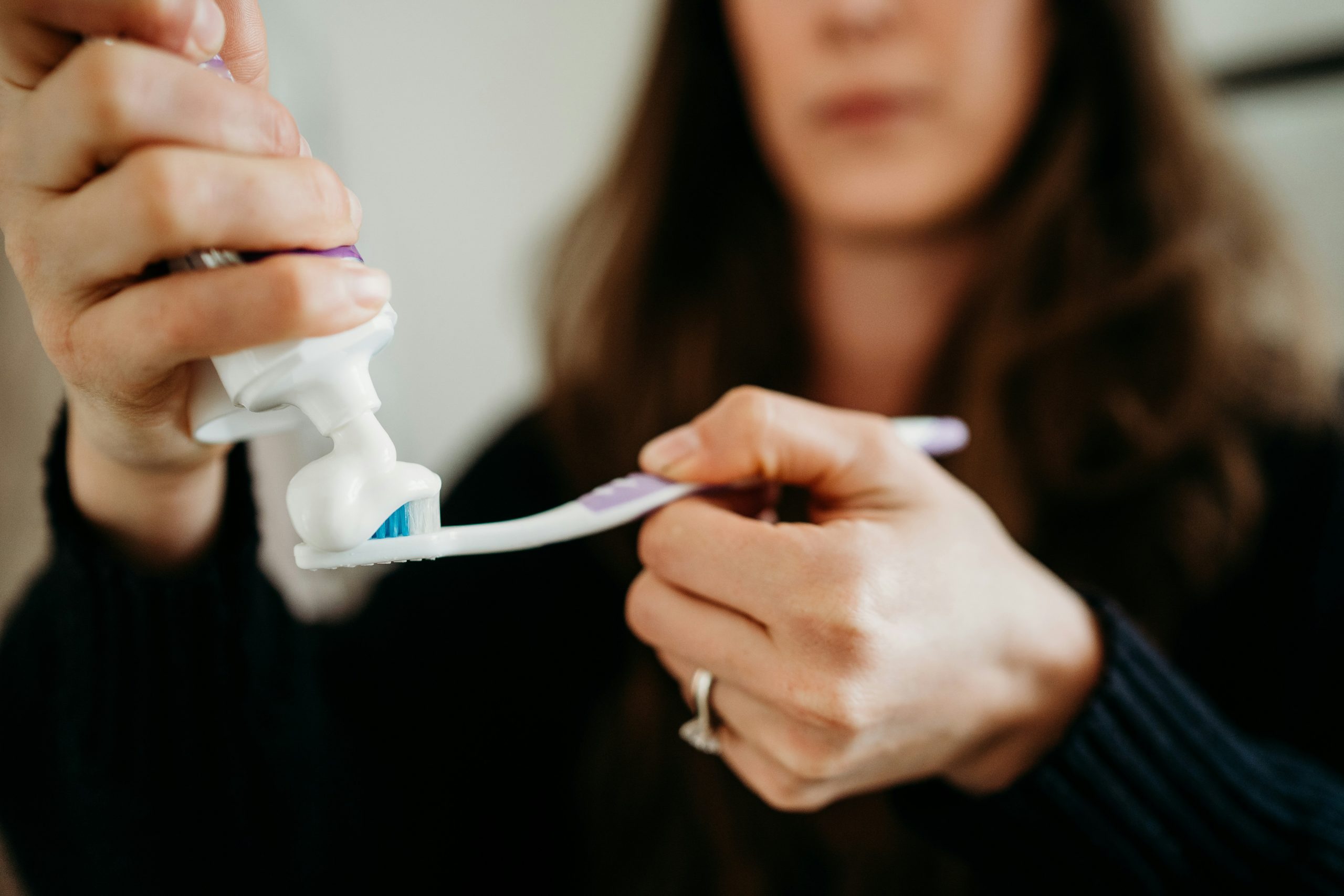
You brush your teeth every morning and every night, so you assume you’re doing everything right.
But what if the problem isn’t whether you brush — but
how you’re brushing and what you’re using?
The toothpaste aisle has become surprisingly complicated. Whitening, tartar control, sensitivity, charcoal, natural, fluoride, fluoride-free — sometimes there are dozens of choices staring back at you.
And while toothpaste is an important part of good oral hygiene, a few common mistakes could be working against your smile.
Here are seven worth knowing.
1. Choosing Toothpaste Based Only On “Whitening”
Who doesn’t want whiter teeth?
But don’t assume “whitening” automatically means healthier teeth.
Many whitening toothpastes work primarily by using abrasives to help remove surface stains. Toothpastes can vary in abrasivity, and brushing technique matters too.
If whitening products leave your teeth feeling increasingly sensitive, don’t simply keep scrubbing harder in pursuit of a brighter smile.
Talk to your dentist about a product appropriate for your teeth — particularly if you already have sensitivity or gum recession.
2. Brushing Harder Because Your Teeth Don’t Feel Clean
More pressure does not necessarily mean cleaner teeth.
Aggressive brushing can irritate your gums, and over time it may contribute to problems for people susceptible to gum recession or exposed dentin.
Instead, concentrate on technique and consistency.
Use a soft-bristled toothbrush and give yourself a full two minutes rather than attacking your teeth as quickly and forcefully as possible.
Your toothbrush isn’t a scrub brush.
3. Assuming More Toothpaste Means Cleaner Teeth
That giant ribbon of toothpaste you see covering the toothbrush in commercials?
You don’t need to recreate it.
What matters far more is thoroughly brushing your teeth twice a day using good technique.
Using extra toothpaste doesn’t compensate for rushing through brushing or repeatedly missing the same areas of your mouth.
4. Ignoring Ingredients That Irritate Your Mouth
Have you ever switched toothpaste and suddenly developed irritation, peeling tissue or soreness around your mouth?
Don’t automatically dismiss it.
Toothpaste contains much more than its active cavity-fighting ingredient. Formulas can include detergents, flavorings, essential oils, humectants and other ingredients.
Some toothpaste ingredients can cause irritation or allergic reactions in susceptible people.
If you repeatedly experience irritation after using a particular toothpaste, stop assuming that’s simply what “clean” is supposed to feel like.
Bring the product to your dentist and ask whether an ingredient could be bothering you.
5. Assuming “Natural” Automatically Means Better
Natural-looking packaging can be incredibly persuasive.
But your teeth don’t care what the box looks like.
When choosing toothpaste, pay attention to what the product is actually designed to do and whether there is evidence supporting its claims.
The American Dental Association recommends brushing twice daily with fluoride toothpaste and recommends looking for products carrying the ADA Seal of Acceptance.
Fluoride helps strengthen enamel and prevent cavities.
If you’re considering switching to a fluoride-free product, particularly if you’re prone to cavities, talk with your dentist about whether it’s a good choice for you.
6. Forgetting What’s Happening Between Your Teeth
You could buy the fanciest toothpaste in the store and still miss a major part of your mouth.
Your toothbrush can’t effectively clean every surface between your teeth.
That’s why cleaning between your teeth daily is an important part of oral hygiene.
Floss, interdental brushes and other interdental cleaning tools can reach areas your toothbrush can’t.
If your gums bleed when you floss, don’t simply decide flossing is the problem. Persistent bleeding gums deserve a conversation with your dentist.
So, Which Toothpaste Should You Use?
There isn’t one perfect toothpaste for every mouth.
Someone dealing with sensitivity may have different needs than someone who frequently develops cavities or someone primarily concerned about surface stains.
For most adults, the fundamentals remain surprisingly simple: brush twice daily for two minutes with fluoride toothpaste, clean between your teeth every day, limit excess sugar and see your dentist regularly.
And when you’re standing in front of 50 different toothpaste boxes wondering which claims you can trust, there’s one shortcut worth remembering:
Look for the ADA Seal of Acceptance.
Products carrying the seal have been evaluated for the safety and effectiveness of the specific claims they’re making.
Sometimes protecting your smile isn’t about finding the newest miracle ingredient.
It’s about avoiding the everyday mistakes that quietly undermine a good oral-care routine.
Brushing Twice a Day… But Still Having Gum Problems?
You can use the right toothpaste, brush twice a day, and still struggle with
bleeding gums, stubborn bad breath, or other oral health concerns.
That’s because there’s more to a healthy mouth than brushing alone.
Researchers are now exploring the surprising connection between beneficial bacteria and gum health.
And one unusual way to introduce these oral probiotics?
A soft, dissolvable candy.
These specially formulated lozenges are designed to deliver beneficial bacteria directly into your mouth, where they may help support a healthier balance of oral microbes.
Could this be the missing addition to your daily oral-care routine?
→ Discover the Soft Candy Being Studied for Gum Health